Skim direct to brick
Skim plaster has no business going on bare masonry. It dries patchy, hollow, and falls off in 6–18 months.
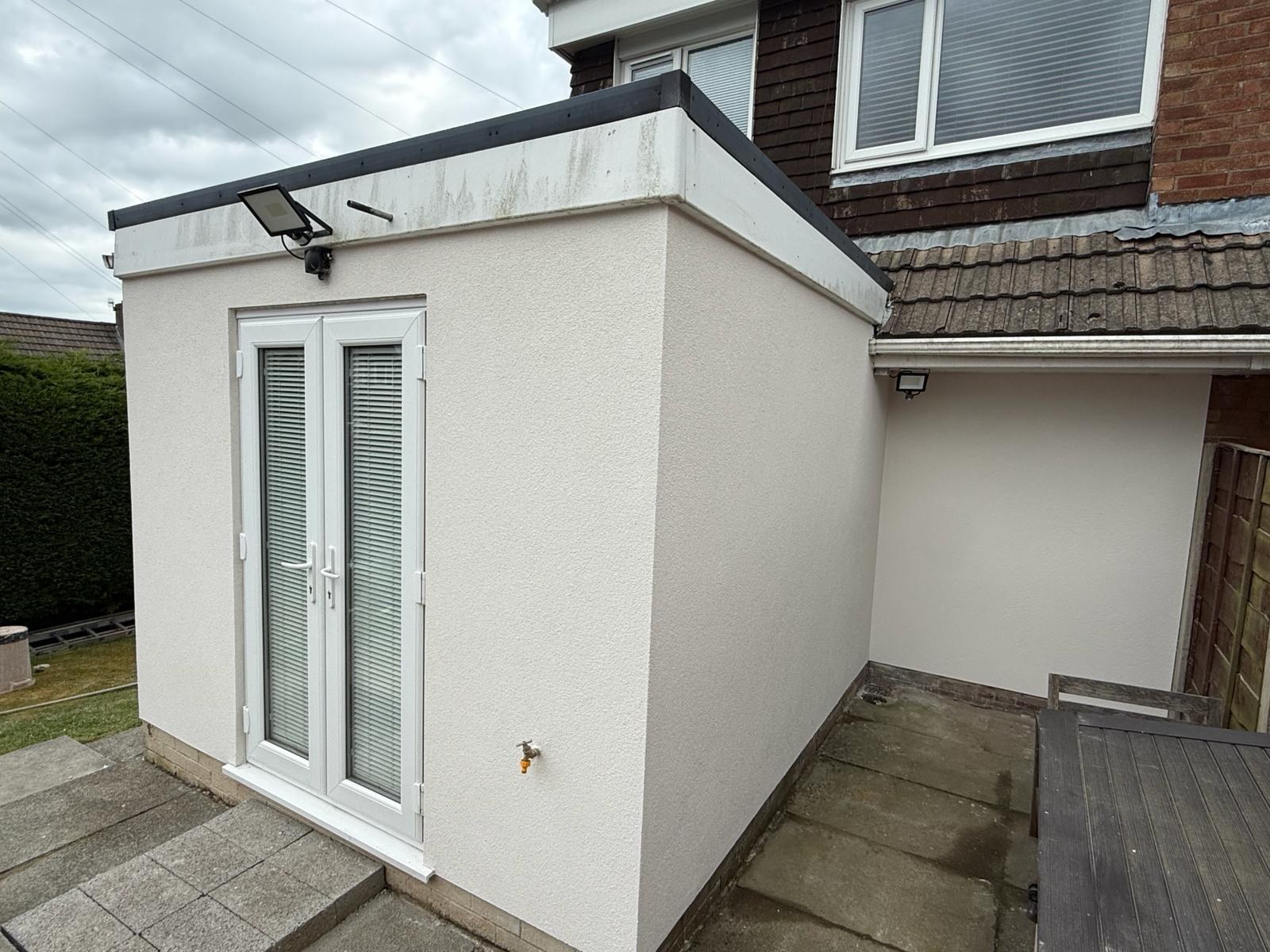
Specialist service · Rochdale & the North West
From bare brick to a polished finish in one visit — undercoat bonded, scratched, and skimmed to a flawless surface ready for paint or paper.
5-star Google-rated · 40+ years combined experience · Free written quote within 24 hours
2-coat
Bond + skim system
5-yr
Workmanship guarantee
40+
Years experience
Insured
Public liability
Tidy
Lived-in site practice
Service overview
Bonding-and-skimming is the right system anywhere you've taken plaster off, knocked through, or built up in masonry. It's a two-coat plaster build-up that turns bare brick or block into a paint-ready surface in one visit — and it's the difference between a wall that lasts decades and one that crumbles in five years.
Bonding is a gypsum-based undercoat plaster (typically Thistle Bonding Coat) applied at 8–11mm directly over masonry, scratched to provide a key. Once set, a 2–3mm finish coat ('skim') is applied in two passes and polished to a flat decoration-ready surface.
Homeowners after knock-throughs, chimney removals, damp-treatment replasters, kitchen extension exposures, and landlords re-doing tired walls between tenancies.
Whenever masonry is exposed: removed chimney breasts, new openings, extension reveals, damp-injection re-plasters, and any wall where existing plaster has blown or been removed.
Skim alone doesn't grip masonry. Without a bonding coat (or with the wrong undercoat) the topcoat fails within months. Bonding-and-skimming is a system — both coats matter, both have to be right.
The cost of getting it wrong
We're called out constantly to redo skim work that should have been bonded. Here's the pattern.
Skim plaster has no business going on bare masonry. It dries patchy, hollow, and falls off in 6–18 months.
Bonding Coat is for low-to-medium suction backgrounds; Hardwall is for high suction. Using the wrong one causes drying issues, cracking, or weak adhesion.
Old brick and dense block need correct suction control. Get it wrong and you'll see crazing within weeks.
Plastering over active damp is the single most common 'redo' job we see. Damp must be treated first — every time.
Our process
Same process on every job — domestic, commercial, single-room or full house.
We test substrate moisture, check for damp source, and confirm bonding system suitability. If damp's active we recommend treatment first.
Floors sheeted, doorways sealed, sockets masked. Substrate dust-removed, defects repointed, and beads fitted at angles and openings.
Thistle Bonding Coat applied at 8–11mm, ruled flat with a darby, and scratched in 45° lines to provide a key for the finish coat.
Two-coat finish in British Gypsum Multi-Finish, polished to a closed, paint-ready surface.
Snag with you in good light, waste removed, written guarantee issued.
Why MCB
From bare masonry to a paint-ready surface in a single mobilisation — no second trade required.
Beads and rule-and-darby technique deliver geometrically flat walls — not just smooth ones.
Correctly bonded plaster lasts 25+ years. Failures we're called to fix are almost always missed-bond jobs.
Written 5-year workmanship guarantee against trowel marks, cracking and adhesion failure.
Floors sheeted, sockets masked, waste bagged and removed daily.
Decorator can start within 7–10 days of completion in normal conditions.
In depth
Choosing the right undercoat is the single biggest call on any bonding-and-skimming job. Get it wrong and the wall fails. Here's how we specify.
Thistle Bonding Coat is the default undercoat for low-to-medium suction backgrounds: common brick, dense block, concrete and engineering brick. It's 8–11mm thick, lightweight, and accepts a tight scratch key for the topcoat. We use it on the majority of domestic bonding jobs.
Thistle Hardwall is the right call on high-suction or high-impact backgrounds: stairwells, hallways, commercial corridors and any wall that takes knocks. It's denser, more impact-resistant, and goes on at the same 8–11mm thickness.
PVA or SBR is used to control suction where the substrate is dusty, friable, or mixed. Painting PVA onto bonding coat just before skim is a common 'belt and braces' approach that avoids any risk of dry-patches in the skim.
Where damp is suspected we test first. Plastering over active damp is the most common skim failure in old housing stock. We work with damp specialists across Rochdale and Manchester and won't quote a plastering job that's actually a damp job in disguise.
Most domestic bonding-and-skim work is 1–4 days per room, with full lived-in protection.
Commercial bonding work is often Hardwall-spec'd corridors and stairwells — programme-led with phased mobilisation.
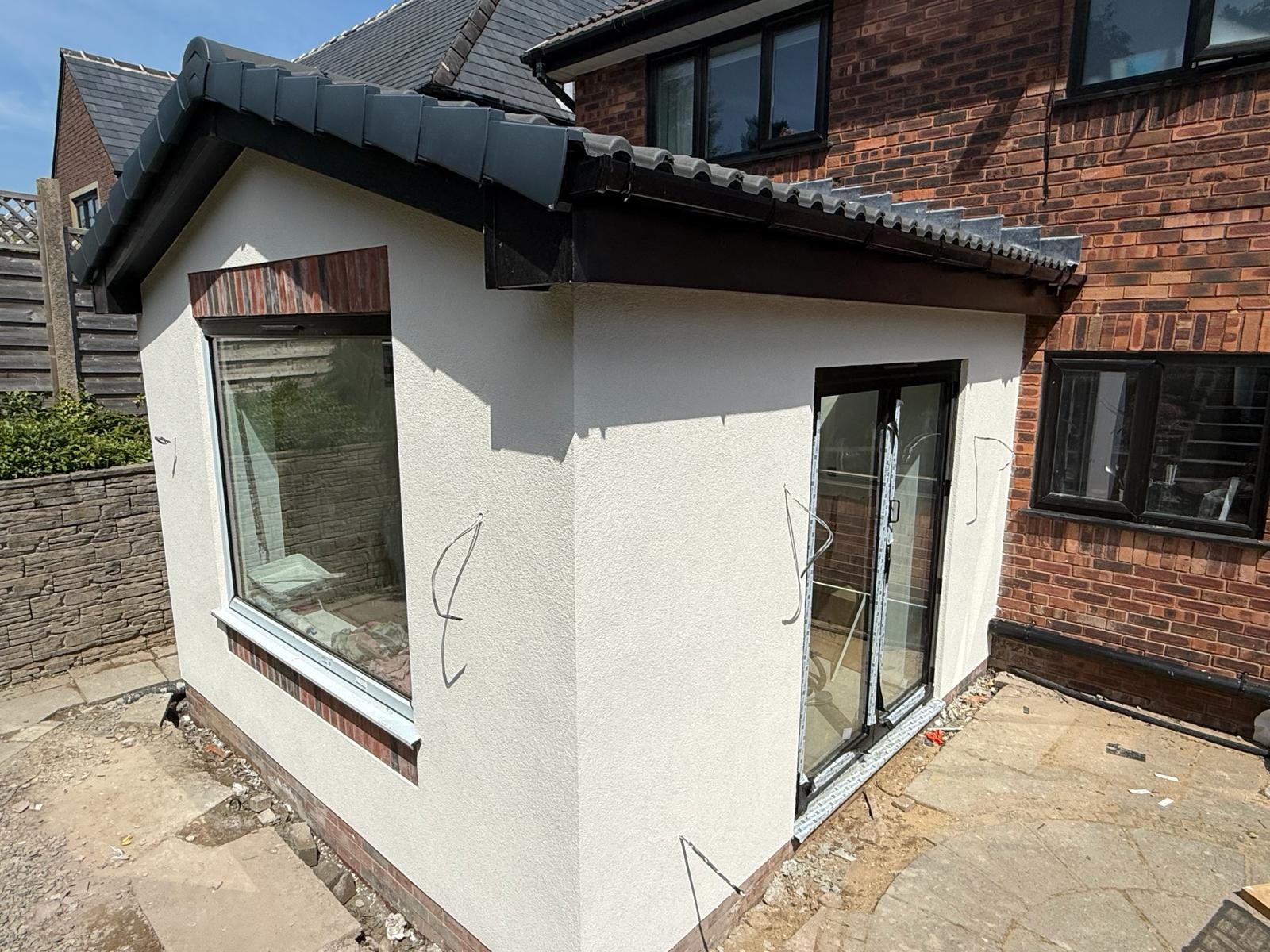
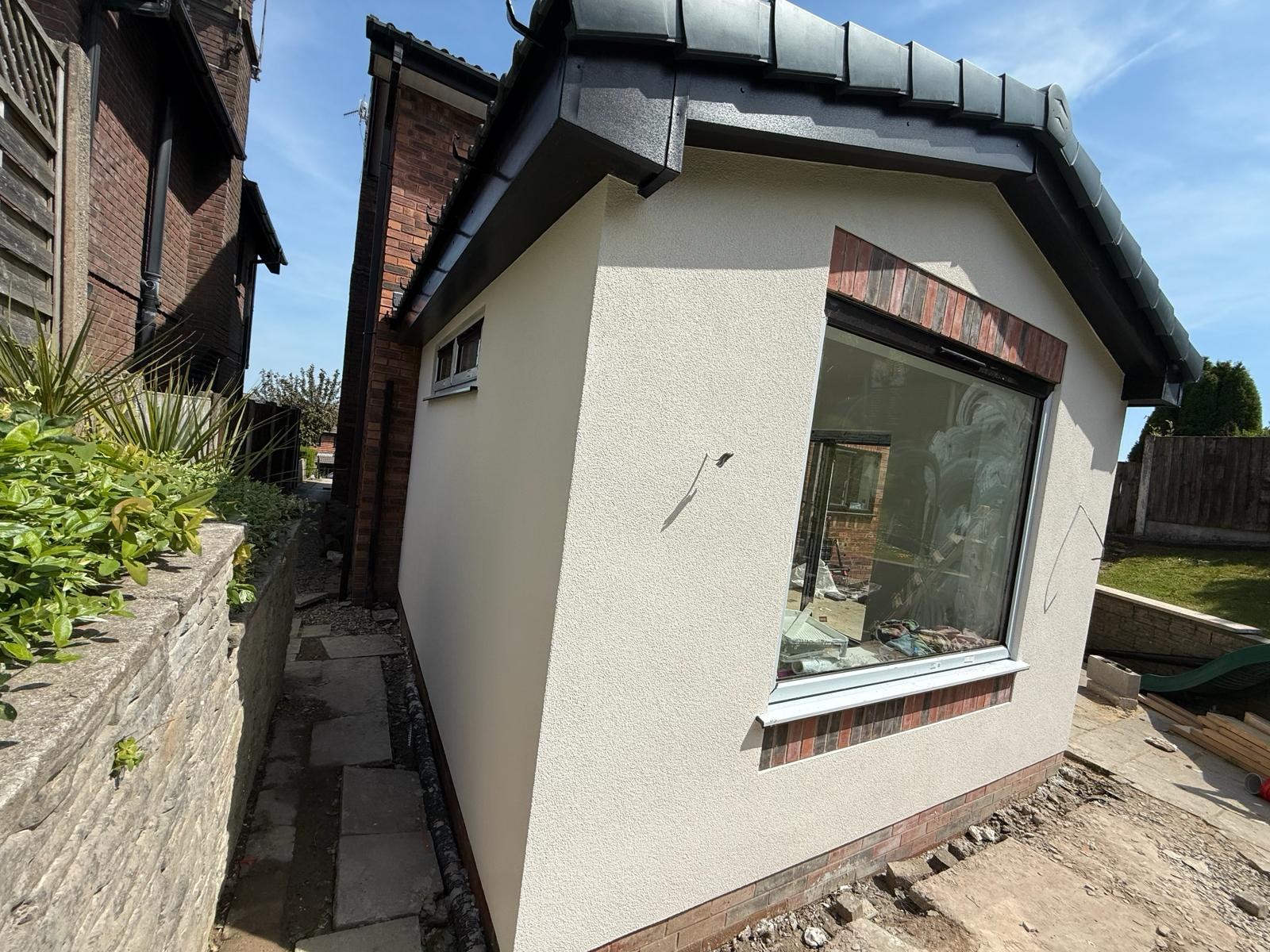
Recent bonding & skimming projects
A selection of recent bonding & skimming work across Rochdale and the North West.
FAQs
Not seeing yours? Call 07540 112744 — we answer the phone ourselves.
Ask us anythingRelated services
Areas we cover
Free, no-obligation quote
Written fixed-price quote within 24 hours. Tidy site, time-served team, 5-year workmanship guarantee.
Fully insured · 5-year guarantee · 24-hour quote turnaround